On this page (14)
- Key takeaways
- How to judge a backlink site in two minutes
- Journalist request platforms
- Review and software directories
- Business and local citations
- Community and Q&A sites
- Platforms you publish on yourself
- Guest posts on sites in your niche
- Podcast guesting
- Links you earn without asking
- Sites and tactics to avoid
- A realistic 30-day plan
- How to check that a backlink actually counts
- Frequently asked questions
The best sites for backlinks in 2026 are journalist request platforms (HARO, Qwoted, SourceBottle), review directories (G2, Capterra, Clutch), local citation sites (Google Business Profile, Bing Places, Apple Business Connect), developer and creator communities, and podcasts that link to their guests. Journalist coverage and podcast links vary by publisher; confirm the live page and link attribute rather than assuming a followed backlink. Most profile and community links are nofollow, but they still bring visitors and get you found by the people who do link.
Most "best sites for backlinks" lists are padded to hit a round number. You get 100 directories, half of which went offline years ago, and the rest hand out links that search engines quietly ignore. You spend a weekend filling out profile forms and your rankings don't move an inch.
This list is shorter on purpose. Every site below is still live, still used by real people, and earns its place for a specific reason. Sometimes that reason is a followed editorial link. Often it isn't, and we'll say so plainly, because a nofollow link from a page people actually read can still be worth more than a followed link nobody ever sees.
Key takeaways
- The best backlinks come from journalists, writers and site owners choosing to cite you. Profiles and directories are the floor, not the ceiling.
- Most platform links (Reddit, Quora, Medium, LinkedIn, GitHub, review sites) are
nofolloworugc. They still bring traffic, brand searches and discovery by people who do give followed links. - Relevance beats authority. One link from a niche blog your customers read beats ten from generic "submit your site" pages.
- Anything sold as "1,000 backlinks for $10" is a link scheme under Google's spam policies. Skip it.
- Check every link you get: is the page indexed, and what does its
relattribute say?
How to judge a backlink site in two minutes
Before you put an hour into a profile or a pitch, run the site through four questions. If it fails two of them, move on.
- Is it relevant? Would your customers plausibly visit this site? A cooking forum linking to a payroll SaaS reads as noise to readers and to Google alike.
- Is the link placed by an editor or by you? Links you place yourself (profiles, comments, directories) carry the least weight. Links an editor chooses to add carry the most.
- Will a human click it? A link buried on page 40 of a directory sends nobody. A link in a helpful answer that ranks for a real question sends visitors for years.
- Is the page indexed? Search
site:plus the page URL, or follow our guide to checking whether a page is indexed. If Google hasn't indexed the page, the link on it does nothing for you.
Here's how the main categories compare once you apply that filter:
| Link source | Your effort | Typical link type | SEO value | Referral traffic |
|---|---|---|---|---|
| Journalist requests (HARO-style) | Medium | Followed, editorial | High | Low-medium |
| Guest posts on niche sites | High | Usually followed | High | Medium |
| Earned links (data, tools, research) | High upfront | Followed, editorial | Highest | Medium |
| Review & software directories | Low | Mostly nofollow | Low-medium | Medium-high |
| Business & local citations | Low | Mixed | Medium for local | Low |
| Community & Q&A sites | Medium, ongoing | nofollow / ugc | Low direct | High if helpful |
| Publishing platforms | Medium | Mostly nofollow | Low direct | Medium |
The pattern is simple: the easier a link is to get, the less it's worth. That doesn't make easy links pointless. It means they're the foundation, and the harder links are what actually move rankings.
Journalist request platforms
This is still the fastest route to a followed link from a real publication. Reporters post a question, you answer with something quotable, and if they use it they usually credit you with a link.
HARO (Help a Reporter Out)
helpareporter.com(opens in a new tab)Link: Editorial, often followedCost: Free
The original, and still free. It's run by Featured these days, and it sends daily media queries straight to your inbox. Volume is high, so the sources who reply in the first hour or two get used.
Qwoted
qwoted.com(opens in a new tab)Link: Editorial, often followedCost: Free tier + paid plans
Cleaner interface and better-quality requests in business, finance and tech. The free tier limits how many pitches you can send, so pick your spots.
Featured.com
featured.com(opens in a new tab)Link: Editorial, often followedCost: Free tier + paid plans
You answer expert questions in your niche, and publishers pick answers to include in their articles. Low effort per answer.
SourceBottle
sourcebottle.com(opens in a new tab)Link: Editorial, often followedCost: Free for sources
Strong for Australia, New Zealand and the UK, and good for lifestyle and small-business angles.
What separates the pitches that get used from the ones that get ignored is specificity. Journalists are drowning in generic answers.
A weak pitch says "speed is very important for SEO." A useful one says "we audited a 40-page Shopify store last month and two uncompressed hero images were responsible for most of its 6-second load time." The second is quotable. The first is wallpaper.
Review and software directories
If you sell software or a service, these sites matter more for buyers than for rankings. People compare products on them before they ever reach your homepage, and Google often ranks your G2 or Capterra page right under your own site for brand searches.
G2 and Capterra
g2.com(opens in a new tab)capterra.com(opens in a new tab)Link: Profile, usually nofollowCost: Free listing
The two biggest B2B review sites. Your profile link is usually nofollow, but the review pages themselves rank for "[your product] reviews" and "alternatives" searches.
Trustpilot
trustpilot.com(opens in a new tab)Link: Profile, usually nofollowCost: Free plan + paid plans
Broader consumer audience. Useful if your customers aren't software buyers.
Product Hunt
producthunt.com(opens in a new tab)Link: Profile, usually nofollowCost: Free
A good launch gets a burst of traffic and, more importantly, attention from bloggers who write "new tools this week" roundups. Those roundups are where the followed links come from.
AlternativeTo and SaaSHub
alternativeto.net(opens in a new tab)saashub.com(opens in a new tab)Link: Profile, mostly nofollowCost: Free listing
Listing yourself as an alternative to a known competitor puts you in front of people who are actively looking to switch.
Clutch and GoodFirms
clutch.co(opens in a new tab)goodfirms.co(opens in a new tab)Link: Profile, mixedCost: Free profile + paid placement
If you run an agency or sell services, these are your G2. Buyers shortlist agencies here, verified client reviews carry real weight, and both sites rank for "best [service] agency in [city]" searches you'd struggle to rank for yourself.
Crunchbase
crunchbase.com(opens in a new tab)Link: Profile, usually nofollowCost: Free profile
Mostly an entity signal. It helps search engines and AI assistants (optimizing for those is called GEO) connect your brand name to your website, founders and category.
Fill out every field. A half-finished profile with no logo and a two-line description converts nobody, and on review sites the profile is the product page.
Business and local citations
For a business with a physical location or service area, accurate local listings can help customers find consistent business information. Prioritize platforms that matter to your customers and correct inaccurate listings. They're less about link equity and more about consistency: For local SEO, Google cross-checks your name, address and phone number (NAP) across the web to decide how much to trust your listing.
Google Business Profile
google.com/business(opens in a new tab)Link: Citation (local ranking signal)Cost: Free
The single most important listing for local search. Not technically a backlink source, but a complete Google Business Profile moves local rankings more than anything else on this list.
Bing Places and Apple Business Connect
bingplaces.com(opens in a new tab)businessconnect.apple.com(opens in a new tab)Link: CitationCost: Free
Bing's index powers Microsoft Copilot, and Apple Maps is the default map on every iPhone. Both take ten minutes to set up.
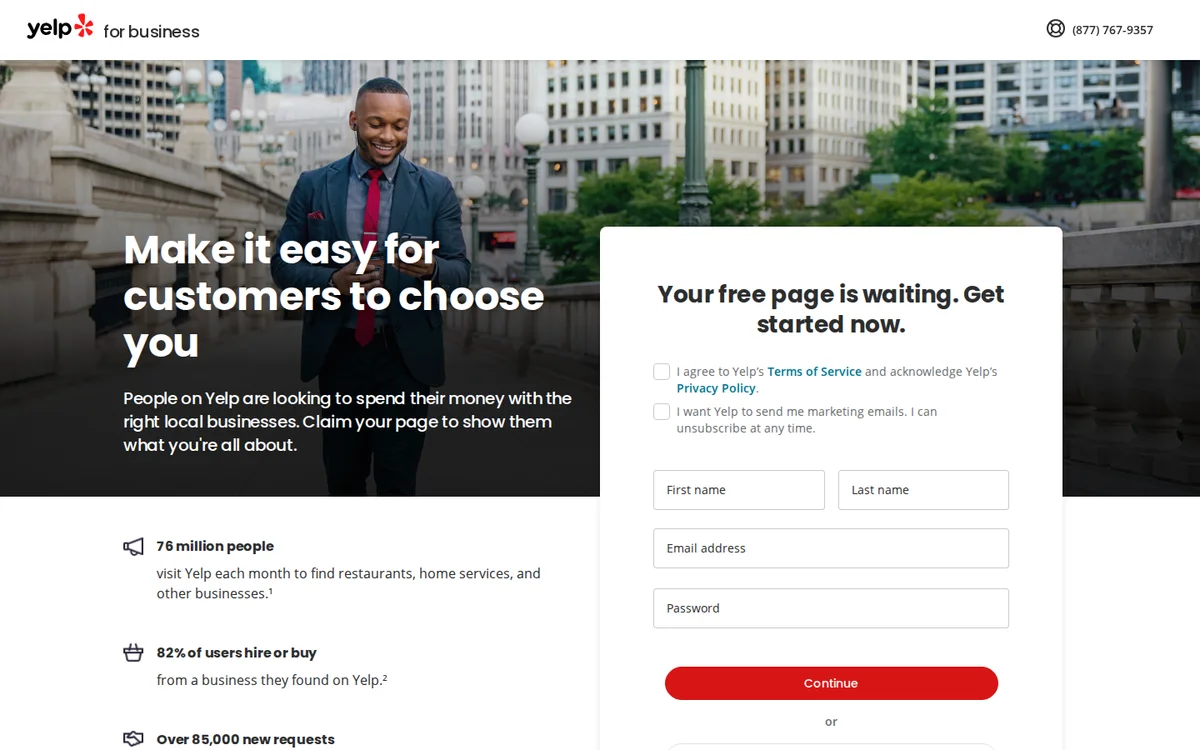
Yelp, Better Business Bureau and Yellow Pages
biz.yelp.com(opens in a new tab)bbb.org(opens in a new tab)Link: Citation, mixedCost: Free listing; BBB accreditation is paid
Old names, but still trusted reference points. Outside the US, use your country's equivalents.
Chambers of commerce and trade associations
Link: Often followedCost: Paid membership
These are underrated. Membership often comes with a followed link from a local, relevant, high-trust domain.
Industry directories
Link: Varies by directoryCost: Varies
Every niche has two or three that actually matter, such as a bar association for lawyers or a professional register for accountants. Ignore the generic ones and find yours.
Community and Q&A sites
Reddit, Quora and Stack Exchange links are nofollow or ugc. People still use them for links, and most of those people get banned. The real value is that genuinely helpful answers rank in Google for years and send steady, qualified traffic.
reddit.com(opens in a new tab)Link: nofollow / ugcCost: Free
Find the subreddits your customers ask questions in. Answer properly, and only link when your page answers the question better than a comment could. Many subreddits ban self-promotion outright, so read the rules first.
Quora
quora.com(opens in a new tab)Link: nofollowCost: Free
Lower quality than it used to be, but old answers still rank for long-tail questions. Good answers to specific questions keep paying off.
Stack Exchange
stackexchange.com(opens in a new tab)Link: nofollowCost: Free
Strict, technical, and very high trust. Only link to documentation or tools that directly solve the problem.
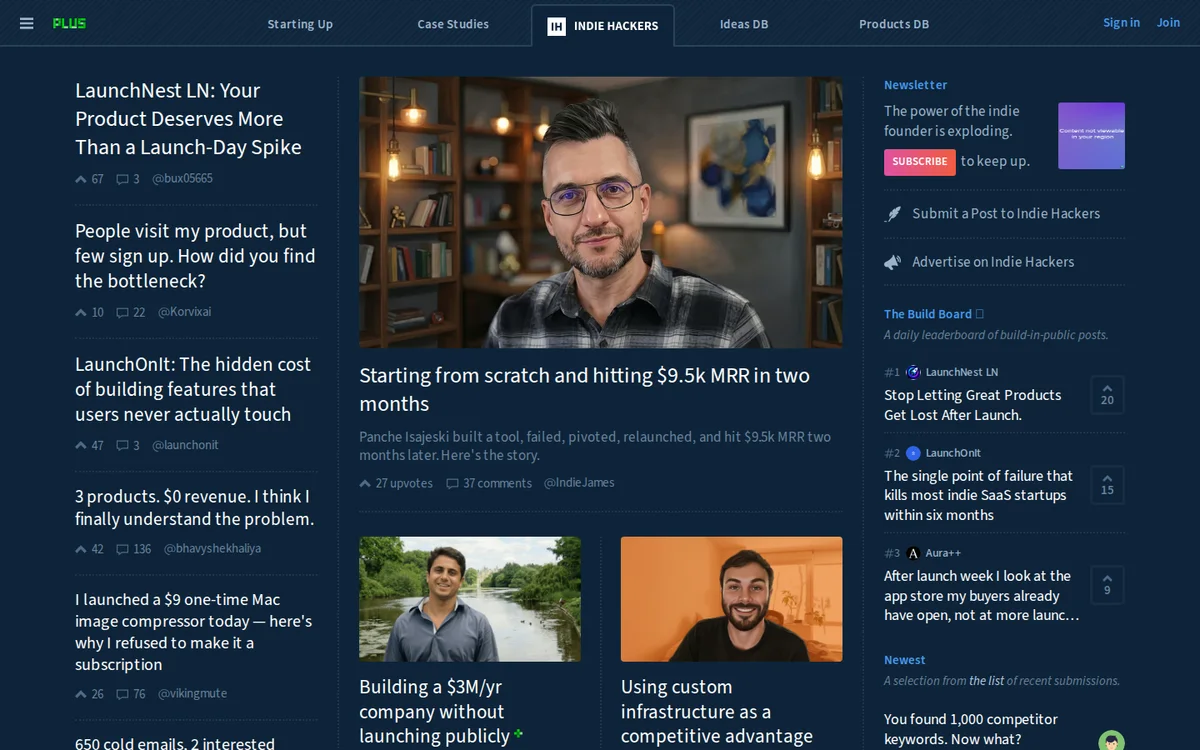
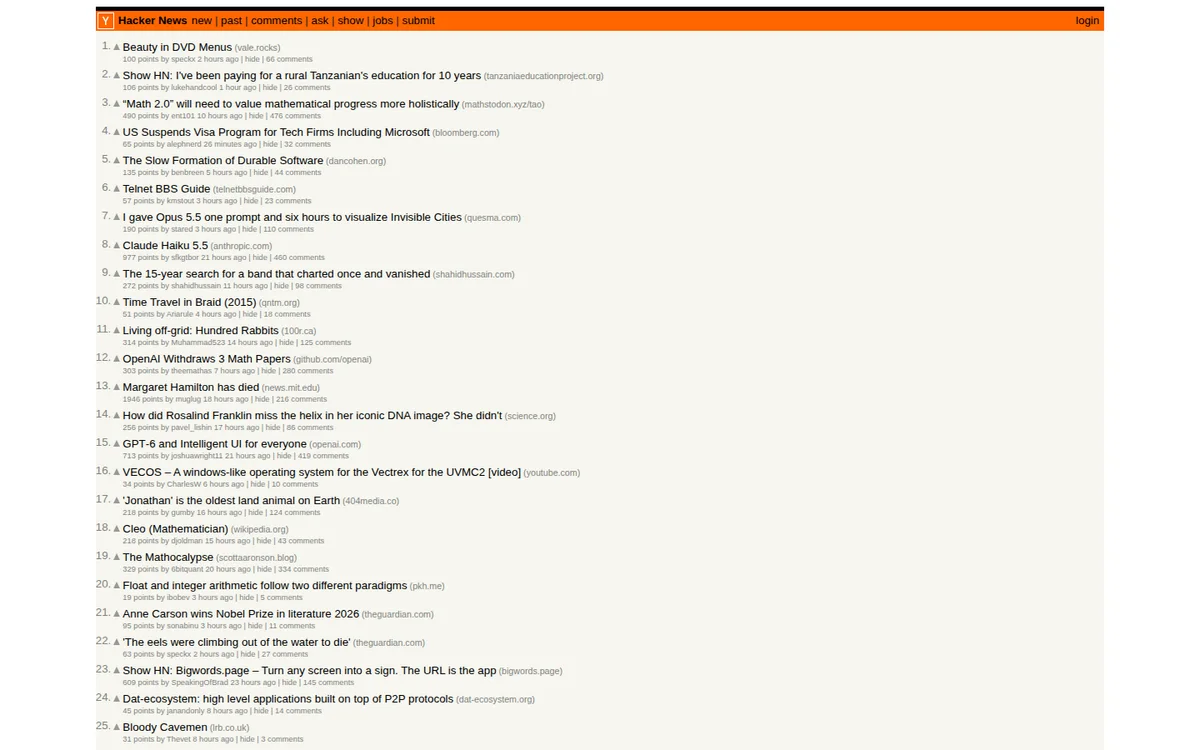
Indie Hackers and Hacker News
indiehackers.com(opens in a new tab)news.ycombinator.com(opens in a new tab)Link: Mostly nofollowCost: Free
Good for founders sharing real numbers and lessons. Don't post here for the link. Post for the readers, some of whom run blogs and newsletters.
DEV Community and Hashnode
dev.to(opens in a new tab)hashnode.com(opens in a new tab)Link: nofollow, canonical URL supportedCost: Free
Developer-focused. Both let you set a canonical URL, so you can republish your own articles without creating duplicate content.
The rule that keeps you out of trouble: answer first, link second, and link rarely. If your account is nothing but links to your own site, moderators and spam filters will notice quickly.
Platforms you publish on yourself
These are links you control, so they carry little weight on their own. What you're really building here is reach and a body of work that other people find and cite.
Medium
medium.com(opens in a new tab)Link: nofollow, canonical via importCost: Free
Use its import tool rather than copy-pasting, because the import sets a canonical link back to your original post.
LinkedIn articles
linkedin.com(opens in a new tab)Link: nofollowCost: Free
Strong for B2B. Your network sees them, and they're indexed.
Substack
substack.com(opens in a new tab)Link: MixedCost: Free
Building a newsletter audience is slow, but it's yours. Other newsletters link to each other constantly.
GitHub
github.com(opens in a new tab)Link: nofollow in READMEsCost: Free
If you have anything open-source, the repo and its README rank well, and developers who star it often write about it.
Behance and Dribbble
behance.net(opens in a new tab)dribbble.com(opens in a new tab)Link: Profile, usually nofollowCost: Free + paid plans
If you're a designer or agency, your portfolio here is your shop window.
YouTube
youtube.com(opens in a new tab)Link: nofollow in descriptionsCost: Free
Video description links are nofollow, but a useful video ranks in both YouTube and Google, and people embed and cite good videos.
Guest posts on sites in your niche
Guest posting has a bad reputation because of spam, not because the idea is broken. Writing a genuinely useful article for a site your audience reads is still one of the most reliable ways to earn a followed, relevant link.
Finding the right sites is mostly a matter of search operators. Swap in your own niche:
"your niche" "write for us"
"your niche" "guest post guidelines"
"your niche" "contribute" OR "contributor"
"your niche" intitle:"become a contributor"
Then filter hard. A good guest post target publishes regularly, gets real comments or shares, ranks for something, and doesn't have "guest post" tags on every other article.
Podcast guesting
Podcasts are one of the least crowded link sources left. Almost every episode has a show notes page, and hosts routinely link to the guest's website. Those links are usually followed, editorial, and on a site whose audience just spent 40 minutes listening to you.
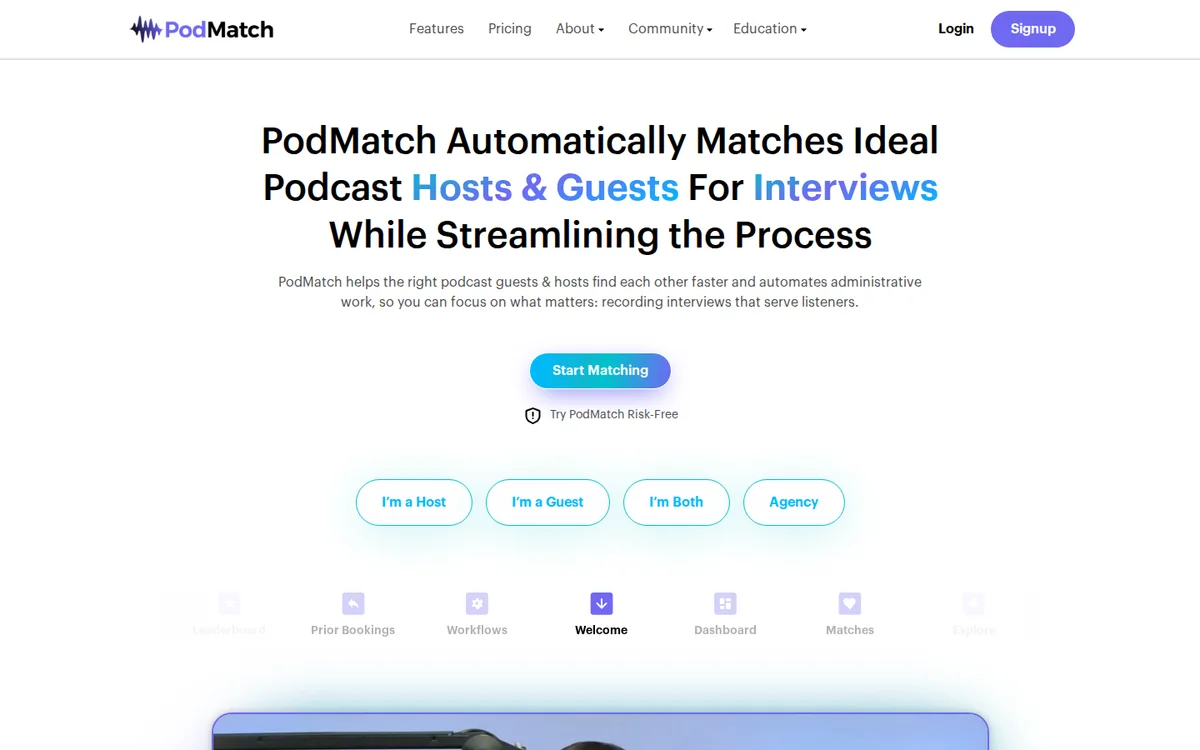
MatchMaker.fm and PodMatch
matchmaker.fm(opens in a new tab)podmatch.com(opens in a new tab)Link: Show notes, often followedCost: Free tier + paid plans
Both match guests with hosts looking for them. Build a profile around two or three specific topics you can talk about with real examples, not "I'm an expert in marketing."
Direct pitching
Link: Show notes, often followedCost: Free
Search Apple Podcasts or Spotify for shows in your niche with 20 to 200 episodes. They're established enough to have an audience and still small enough to want guests.
One interview often turns into several links: the show notes, the host's newsletter, a YouTube upload, and sometimes a transcript post.
Links you earn without asking
Everything above involves you going out and asking. The links that move rankings the most come from people who find something of yours and decide to cite it on their own. You can't fully control that, but you can give people a reason.
- Original data. Survey your customers, analyze your own usage numbers, or crunch public data no one has bothered to summarize. Writers need statistics, and they link to the source. It's also how you build topical authority that people cite.
- Free tools. A calculator, checker or generator that solves one problem well gets linked from tutorials, resource pages and forums for years. It's the reason we built the free SEO audit and the free tools on this site.
- Unlinked brand mentions. Search your brand name in quotes and exclude your own site. Anyone who mentions you without linking is the easiest outreach you'll ever do. A short, polite note usually works.
- Broken link building. Find resource pages in your niche with dead links, and suggest your page as a replacement. You're fixing their problem, which is why it works.
- Resource pages. Many sites keep "best tools for X" or "useful links" pages. If your page genuinely belongs on the list, ask to be added.
Sites and tactics to avoid
Some "backlink sites" will actively hurt you, or at best waste your time.
- Private blog networks (PBNs). These are sites built only to sell links. Google is very good at detecting them, and the penalty lands on the buyer.
- Bulk link packages. "5,000 backlinks for $15" on a gig marketplace means automated spam on hacked or junk sites.
- Generic web directories. "Submit your URL to 500 directories" services are a relic from 2008. If a directory accepts every submission, its links are worthless.
- Blog comment spam. Comment links are
nofollow/ugc, and dropping your URL under unrelated posts gets you flagged as a spammer. - Link exchanges at scale. An occasional "I'll link to you, you link to me" between related sites is normal. Organized reciprocal schemes are a link scheme.
If someone guarantees a Domain Authority increase, they're selling you a number from a third-party tool, not rankings. Domain authority is a useful estimate, but Google doesn't use it.
A realistic 30-day plan
You won't do all of this at once, and you shouldn't try. Here's a sequence that front-loads the quick foundations and leaves room for the work that compounds.
| Week | Focus | What "done" looks like |
|---|---|---|
| 1 | Foundations | Google Business Profile, Bing Places, Apple Business Connect, and the two or three review sites that matter in your market, all fully filled out |
| 2 | Journalist requests | Sign up for two platforms and send five genuinely specific pitches. Expect most to go unused, because that's normal |
| 3 | Community | Find three communities your customers use. Answer ten questions properly, and link only where it truly helps |
| 4 | Earned links | Find your unlinked brand mentions and email them. Shortlist five guest post targets and pitch two ideas each |
After the first month, keep journalist pitching and community answers as a weekly habit, and start planning one piece of original data or one free tool per quarter. That's what eventually brings links in without you asking.
How to check that a backlink actually counts
Getting the link is half the job. Check every one, because links get removed, pages get noindexed, and "dofollow" promises don't always hold.
- Look at the `rel` attribute. Right-click the link and choose Inspect. No
rel, or arelwithoutnofollow,ugcorsponsored, means it's followed. - Check that the page is indexed. Search for the exact page URL with
site:in front of it. No result means the link isn't being counted yet. - Check the anchor text. A natural mix of brand names, plain URLs and descriptive phrases is healthy. Dozens of identical keyword-stuffed anchors are a warning sign. Our anchor text checker shows the breakdown for any page.
- Watch your own internal links too. External links bring authority in, and internal links decide where it flows once it's there.
Frequently asked questions
Are nofollow backlinks worthless?
No. Google treats `nofollow` as a hint rather than a strict rule, and nofollow links still send visitors, build brand searches, and get you noticed by people who give followed links. A healthy link profile has plenty of both.
How many backlinks do I need to rank?
There's no fixed number. It depends on how competitive the search is. Look at the pages ranking in the top five for your target keyword (our competitor keyword analysis guide shows how) and compare how many different sites link to them. Ten relevant links from ten different sites usually beat a hundred links from one.
Is it safe to buy backlinks?
Buying links that pass ranking value violates Google's spam policies. You can pay for sponsored placements, as long as the link carries rel="sponsored". That's legitimate advertising, but it won't help rankings directly.
How long do backlinks take to affect rankings?
Usually weeks to a few months. Google has to crawl the linking page first, and pages on smaller sites get crawled less often. If nothing has changed after three months, check that the linking page is actually indexed.
What's the best free way to monitor my backlinks?
Start with the Links report in Google Search Console. It's free and comes from Google's own data. Bing Webmaster Tools also has a free backlinks report, and it often shows links Search Console doesn't. Paid tools like Ahrefs or Semrush find more links and alert you faster, but the two free reports cover what most small sites need.
What's the fastest way to get a first backlink?
Unlinked brand mentions and journalist request platforms. If anyone already mentions your brand, asking them to add a link is a two-minute email. If no one does yet, a well-targeted expert answer on a journalist platform can turn into a followed link within days.
---
Backlinks matter, but they multiply whatever your site already is. If pages load slowly, break on mobile or can't be crawled properly (our technical SEO guide covers all of it), new links won't save them. Run a free audit first, so the links you work for land on a site that's ready for them.
Sources and further reading
SlapMyWeb Team
We build SlapMyWeb, a website audit that checks SEO, speed, security and mobile issues and hands you the fix. Everything we write is tested on real sites first.